Master Advanced Pharmacology and Excel in Primary Care Practice
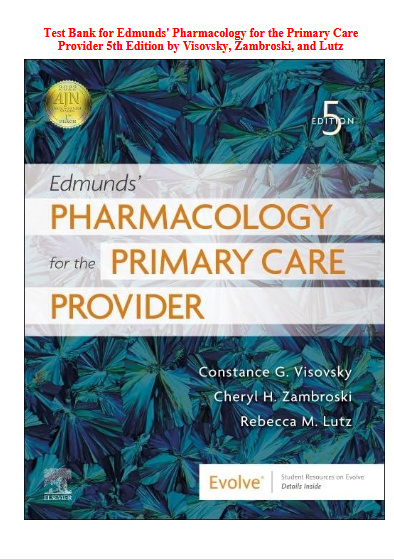
Are you preparing for advanced practice nursing exams or looking to master prescriptive authority guidelines? This complete Test Bank for Edmunds’ Pharmacology for the Primary Care Provider (5th Edition) by Constancia G. Visovsky, Cheryl H. Zambroski, and Rebecca Lutz is your ultimate study companion. It covers every single chapter from the textbook, providing a robust set of verified practice questions and answers. This resource is designed to help you build advanced clinical judgment, master drug selection criteria, and pass your examinations with high scores.
Why This Advanced Test Bank is Essential
Advanced practice pharmacology goes far beyond basic drug administration. As a primary care provider, you must understand complex pharmacokinetics, manage chronic multi-drug regimens, evaluate cost-effectiveness, and safely write prescriptions. Standard study guides often fail to prepare you for the high-level critical thinking required on advanced practice exams. This test bank bridges that gap. It provides realistic, clinical case-based questions that mirror your actual examinations, helping you identify your weak spots and build true prescriptive confidence.
Key Product Features
-
100% Complete: Contains verified study questions for every single chapter in the 5th edition.
-
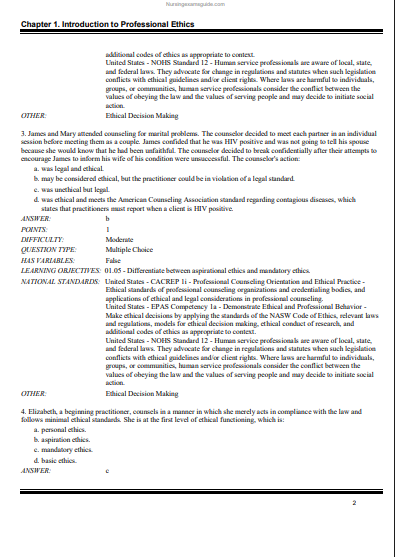
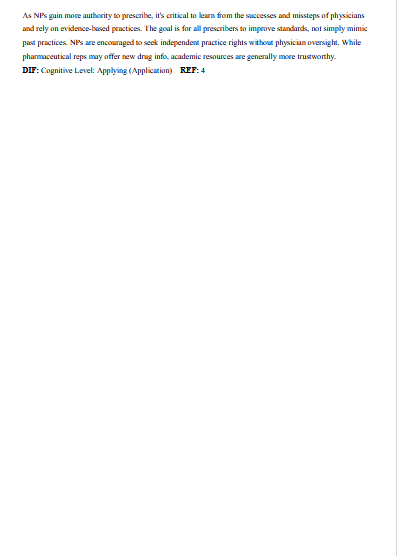
Verified Answers and Detailed Rationales: Every question includes the correct answer along with deep clinical explanations of the underlying pathophysiology and drug mechanisms.
-
Advanced Practice Focus Formats: Features advanced multiple-choice and complex patient-case scenarios that mimic certification exams.
-
Prescriptive Authority Guidance: Questions emphasize therapeutic decision-making, patient monitoring schedules, and drug-drug interactions.
-
Instant Digital Delivery: Download your study guide immediately after payment. No waiting for shipping.
-
Universal Compatibility: View the files seamlessly as a PDF or Word document on any laptop, tablet, or phone.
Why Choose This Study Resource?
Primary care pharmacology exams do not just ask you to recognize drug classes. They present complex, multi-system patient profiles where you must choose the safest first-line agent, calculate an appropriate titration schedule, or select the correct diagnostic lab test to monitor for toxicities. This test bank uses advanced diagnostic and prescriptive frameworks to train your brain to make safe, autonomous clinical choices under pressure.
-
Maximize Your Study Efficiency: Stop wasting hours reading dense textbook chapters line-by-line. Locate your knowledge gaps in minutes and focus your study time where it matters most.
-
Reduce Certification Anxiety: Walk into your written exams and future clinical practices knowing exactly how advanced prescriptive questions are structured.
-
An Excellent Faculty Tool: Perfect for educators who need to generate fresh, high-quality quiz questions or comprehensive examinations for graduate-level courses.
Chapter-by-Chapter Overview
Chapter 1: The Role of the Prescriber
Explore the professional foundations of prescriptive authority. Study legal frameworks, consensus models, and the expanding responsibilities of advanced practice nurse prescribers.
Chapter 2: Historical and Legal Perspectives on Prescriptive Authority
Understand your legal boundaries. Study federal and state regulations, controlled substance schedules, and the role of the Food and Drug Administration (FDA).
Chapter 3: Economic Foundations of Prescriptive Authority
Master the business side of prescribing. Study healthcare financing, insurance formularies, generic drug substitutions, and the economic impacts of non-compliance.
Chapter 4: Practical Aspects of Writing Prescriptions
Learn the mechanics of safe prescription writing. Study the essential components of a prescription pad, avoiding dangerous abbreviations, and preventing prescription errors.
Chapter 5: Principles of Pathophysiology and Pharmacokinetics
Review advanced cellular mechanisms. Study drug absorption, distribution, metabolism via the cytochrome P450 system, excretion pathways, and half-life calculations.
Chapter 6: Principles of Pathophysiology and Pharmacodynamics
Master how drugs affect target tissues. Study receptor-binding affinity, therapeutic index boundaries, drug potency, efficacy variables, and down-regulation processes.
Chapter 7: The Nursing Process and Pharmacotherapeutics
Review the intersection of advanced assessment and drug selections. Learn how to formulate clinical drug choices, establish baseline targets, and evaluate therapeutic outcomes.
Chapter 8: Pharmacographic Factors Influencing Pharmacotherapeutics
Study individual patient variables that alter drug responses. Examine genetic variations, weight differences, metabolic differences, and environmental influences.
Chapter 9: Lifespan Factors Influencing Pharmacotherapeutics
Adapt your prescriptions for vulnerable populations. Study pediatric drug clearings, structural changes in older adults, and safe prescribing choices during pregnancy or lactation.
Chapter 10: Adverse Drug Reactions and Drug Interactions
Prevent patient harm from medication combinations. Study type A and type B adverse events, competitive receptor inhibition, and dangerous food-drug interactions.
Chapter 11: Impact of Culture, Food, and Complementary and Alternative Medicine
Incorporate holistic and cultural parameters into care plans. Study alternative supplement safety, herbal interactions with prescription drugs, and cultural beliefs regarding therapy.
Chapter 12: Patient Education and Pharmacotherapeutics
Improve patient compliance through effective education. Study health literacy assessment models, teach-back strategies, and counseling patients on complex drug regimens.
Chapter 13: Topical Agents
Master localized treatments for skin boundaries. Study topical corticosteroids, acne treatments, antifungal creams, and therapies for common dermatological conditions.
Chapter 14: Ophthalmic and Otic Agents
Prescribe safely for eye and ear issues. Study glaucoma medications, anti-inflammatory drops, and topical antibiotics for conjunctivitis or otitis externa.
Chapter 15: Central Nervous System Agents: Psychotherapeutic Agents
Manage mental health conditions in primary care. Study SSRIs, SNRIs, tricyclic antidepressants, atypical antipsychotics, and medications for anxiety or insomnia.
Chapter 16: Central Nervous System Agents: Anticonvulsants and Antiparkinsonian Agents
Understand advanced neurological therapies. Study antiseizure drug selections, therapeutic drug level tracking, and dopamine agonists for Parkinson’s disease.
Chapter 17: Central Nervous System Agents: Pain Management
Treat acute and chronic pain conditions safely. Study opioid prescribing guidelines, non-opioid options, neuropathic pain adjuvants, and strict addiction risk assessments.
Chapter 18: Autonomic Nervous System Agents
Master autonomic system modulators. Study alpha and beta receptor agonists and antagonists, cholinergic agents, and anticholinergic drug safety limits.
Chapter 19: Cardiovascular Agents: Antihypertensive Agents
Conquer blood pressure control models. Study first-line choices using the latest guidelines, including ACE inhibitors, ARBs, calcium channel blockers, and diuretics.
Chapter 20: Cardiovascular Agents: Cardiac Glycosides and Antiarrhythmics
Manage complex heart functions. Study digoxin safety ranges, class I through IV antiarrhythmic agents, and essential laboratory and ECG tracking protocols.
Chapter 21: Cardiovascular Agents: Agents Used for Hyperlipidemia
Study lipid-lowering therapies. Learn about high-intensity statins, bile acid sequestrants, PCSK9 inhibitors, and tracking patient liver profiles and muscle pain side effects.
Chapter 22: Cardiovascular Agents: Agents Affecting Coagulation
Manage thromboembolic risk profiles. Study warfarin protocols, direct oral anticoagulants (DOACs), antiplatelet regimens, and checking standard bleeding lab scores.
Chapter 23: Respiratory Agents
Support airway function in chronic conditions. Study short-acting and long-acting bronchodilators, inhaled corticosteroids, leukotriene modifiers, and antihistamines for asthma and COPD.
Chapter 24: Gastrointestinal Agents
Treat digestive system disorders. Study proton pump inhibitors (PPIs), H2 blockers, prokinetic agents, laxatives, antidiarrheals, and therapies for irritable bowel syndrome.
Chapter 25: Endocrine Agents: Thyroid and Adrenal Agents
Master hormone replacement therapies. Study levothyroxine dosing models, antithyroid medications, systemic corticosteroid taperings, and adrenal insufficiency monitoring.
Chapter 26: Endocrine Agents: Antidiabetic Agents
Conquer outpatient diabetes management. Study intensive insulin regimens, metformin baselines, GLP-1 agonists, SGP-2 inhibitors, and tracking hemoglobin A1C responses.
Chapter 27: Reproductive Agents
Explore gender-specific endocrine therapies. Study oral contraceptive options, hormone replacement therapies, testosterone replacements, and medications for erectile dysfunction.
Chapter 28: Urinary Tract Agents
Treat bladder and renal pathologies. Study urinary antimicrobials, antispasmodics for overactive bladder, and alpha-blockers for benign prostatic hyperplasia (BPH).
Chapter 29: Musculoskeletal Agents
Manage bone and joint inflammatory conditions. Study NSAID safety profiles, disease-modifying antirheumatic drugs (DMARDs), gout therapies, and osteoporosis preventions.
Chapter 30: Immunological Agents
Understand artificial immunity frameworks. Study adult and pediatric immunization schedules, vaccine safety protocols, and travel medicine chemoprophylaxis guidelines.
Chapter 31: Antimicrobial Agents: Antibiotics
Conquer infectious disease management. Study penicillins, cephalosporins, fluoroquinolones, macrolides, and tetracyclines. Learn about antibiotic stewardship.
Chapter 32: Antimicrobial Agents: Antifungals, Antivirals, and Antiparasitics
Prescribe for non-bacterial pathogens. Study systemic antifungals, influenza antivirals, herpes treatment protocols, and therapies for common parasitic infections.
Chapter 33: Anesthetics and Musculoskeletal System Complications
Understand perioperative and localized numbing agents. Study topical anesthetics, local nerve blocks, and identifying serious system reactions like malignant hyperthermia.
Chapter 34: Substance Abuse and Toxicology
Respond to toxicological dependencies in primary care. Study pharmacological options for smoking cessation, alcohol dependence, and opioid replacement therapies.
Chapter 35: Over-the-Counter Medications
Evaluate self-treatment safety risks. Study patient usage trends for over-the-counter pain relievers, cold medicines, sleep aids, and potential masking of severe illnesses.
Chapter 36: Nutritional Supplements and Vitamins
Analyze dietary wellness products. Study clinical indications for therapeutic vitamin infusions, mineral supplements, and tracking toxicities from fat-soluble vitamin excesses.
Product Specifications
-
Book Title: Edmunds’ Pharmacology for the Primary Care Provider (5th Edition)
-
Authors: Constancia G. Visovsky, Cheryl H. Zambroski, Rebecca Lutz
-
Content: Complete Advanced Test Bank (Chapters 1 to 36 Included)
-
Language: English
-
Format: Digital Download Only (No physical book will be sent)
Please Note: This product contains verified exam preparation questions and answers only. The primary textbook is not included in this purchase.
Equip yourself with the absolute best advanced pharmacology resource on the market. Excel in your master’s level coursework and build your clinical prescribing foundation. Get your copy today!



Tonnyjakes1 –
Well-organized and informative. The content covered key exam areas thoroughly and provided excellent preparation for certification success
Swagrid –
A valuable study tool with a large variety of practice questions. The detailed answers made complex concepts easier to understand and apply.
Annen –
Helpful
Annen Harry –
Easy way to practice regularly
Mark –
Valuable addition to my study routine